Jewellery Care Guide
Care for your jewellery so you can enjoy it for longer. Learn how to clean, wear and store diamonds, pearls and coloured gemstones, and when to bring them in store for an inspection.
Everyday care tips for diamonds, pearls and coloured gemstones.
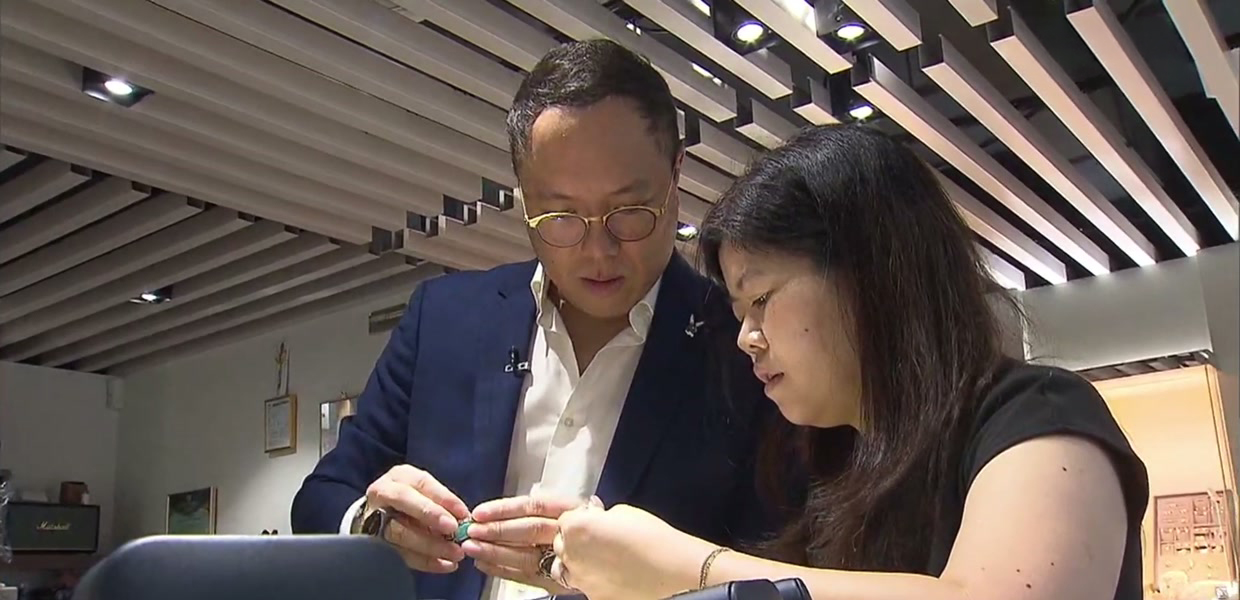
Lifetime Complimentary Cleaning and Inspection for WILLS Jewellery
Lifetime Complimentary Cleaning & InspectionEvery WILLS jewellery piece includes complimentary cleaning and inspection for life. Use the dedicated booking page to select a store, date and time, and our team will assess the appropriate cleaning method based on the gemstone materials and jewellery construction.
When booking, select your preferred store and check the location and time in the confirmation notice.
Get the Jewellery Care Guide for free
Choose the jewellery you own, enter your name and email, and the guide will be sent to your inbox right away.
After registering, you’ll receive 5 emails with care and buying advice over the next three weeks. You can unsubscribe at any time.
Check the Materials and Condition Before Cleaning
The right way to clean jewellery depends on more than gemstone hardness. Treatments, the security of the setting and the presence of glued components all affect which cleaning methods are suitable.
- Find out what materials the jewellery contains. If it is set with different gemstones, follow the care requirements of the most delicate material.
- If anything is loose, stop wearing and cleaning the piece. If a prong is loose, a gemstone moves or the setting is damaged, have it inspected in store first.
- Avoid harsh chemicals. Do not use bleach, toothpaste, abrasive products or cleaners with unknown ingredients.
- If unsure, do not soak. Gently wipe with a soft, dry cloth and consult a jewellery advisor.
The following are general everyday care recommendations and cannot replace an individual jewellery inspection. Plated jewellery, antique pieces, specially treated gemstones and glued designs may require different cleaning methods.

DiamondDiamond
Diamonds easily attract oils and everyday dirt, which can affect how they reflect light. But a diamond’s hardness does not mean that its prongs or the entire piece of jewellery can withstand impacts.
- Use a gentle cleaning method only after confirming it is suitable. If the jewellery is set only with diamonds suitable for this method, the setting is secure, there are no glued components, and you have confirmed that no treatment requires special care, soak it for about 15–20 minutes in lukewarm water with a little mild, pH-neutral cleaning solution. Then gently brush the back and around the prongs with a soft-bristled brush.
- Prevent jewellery from getting lost when rinsing. Rinse it in a small bowl of clean water, rather than directly over an open drain. Then gently pat dry with a soft, lint-free cloth.
- Store separately to avoid impacts. Diamonds can scratch other gemstones and metals, and may chip if knocked. Store each piece in a separate compartment or soft pouch.
- Protect the prongs and band. Remove your jewellery before doing housework, exercising or lifting heavy objects. We recommend having it checked about every six months, adjusting the frequency based on how often you wear it.
We do not recommend using an ultrasonic cleaner at home before checking the setting and diamond treatment status. Ultrasonic cleaning may cause damage or loosen the gemstone if the prongs are loose, the diamond has been fracture-filled, or the jewellery also contains other sensitive gemstones.
Read more: Diamond 4Cs Guide | Diamond Care Article

PearlPearl
Pearls are organic gemstones with delicate surfaces. Avoiding chemicals, friction and unsuitable cleaning methods helps preserve their natural lustre.
- Put them on last and take them off first. Wear them only after applying makeup, perfume and hair products. Remove them before removing makeup, showering or using cleaning products.
- Wipe gently after each wear. Use a soft, lint-free cloth to remove sweat and oils. If needed, gently wipe the pearls with a soft, slightly damp cloth, then let the jewellery air-dry.
- Do not soak or use harsh cleaning methods. Never use ultrasonic cleaners, steam, abrasive cleaning products or jewellery cleaners with unknown ingredients. Pearl necklaces and glued designs in particular should not be soaked.
- Store flat and separately. Avoid rubbing against diamonds, harder gemstones or metal. Do not hang pearl necklaces for long periods, and avoid hot or excessively dry environments.
- Check the stringing and fittings regularly. For pearl necklaces worn frequently, we recommend checking the stringing every one to two years. If the string is loose, discoloured or worn, have it checked sooner.
Read more: Akoya Pearls | South Sea Pearls | Tahitian Black Pearls

Coloured GemstoneGemstone
Hardness, toughness and treatments vary among coloured gemstones. Whether a piece can be soaked or machine-cleaned cannot be determined by the gemstone name or hardness alone.
- Ruby and sapphire: Check the treatment status first. If you have confirmed that the gemstone and setting are suitable, gently clean with lukewarm water, a little mild, pH-neutral cleaning solution, and a soft-bristled brush. Treatments such as fracture filling may require special care.
- Emerald: Avoid vigorous cleaning at home. Emeralds often have natural inclusions and may be oiled or treated with other fillers. For everyday care, gently wipe with a soft, slightly damp cloth. Avoid using ultrasonic cleaners, steam, or prolonged soaking at home.
- Tanzanite and opal: Avoid impacts and sudden temperature changes. Cleaning methods depend on the gemstone and jewellery setting. Doublet opals may contain glued components and should not be soaked. If you are unsure, consult an advisor first.
- Do not use ultrasonic cleaners or steam yourself. In some gemstones, inclusions, treatments and glued settings may be affected by vibrations or heat.
- Store pieces separately, away from high temperatures and prolonged exposure to strong light. Keep jewellery in separate compartments to prevent pieces from scratching each other. Some gemstones and treatments may be affected by heat or light.
Do not soak it or use cleaning solutions. Gently wipe with a soft, dry cloth, and contact the WILLS team to confirm the appropriate care method.
More to explore: Birthstone Guide | Gemstone Handbook
Bring it to a store for a careful inspection
If you notice a loose prong, a moving gemstone or loose stringing, stop wearing the piece. Contact us if its lustre has dulled or you are unsure how to clean it. Use the dedicated booking page to choose the Central Private Showroom, Sheung Wan Wing On Store or Tsim Sha Tsui Harbour City Store, and arrange a date and time for your visit.

Central Private Showroom
17–19 D'Aguilar Street, Central, Hong KongRoom 1003, 10/F, Tak Wo Building
Visits: Please book in advance
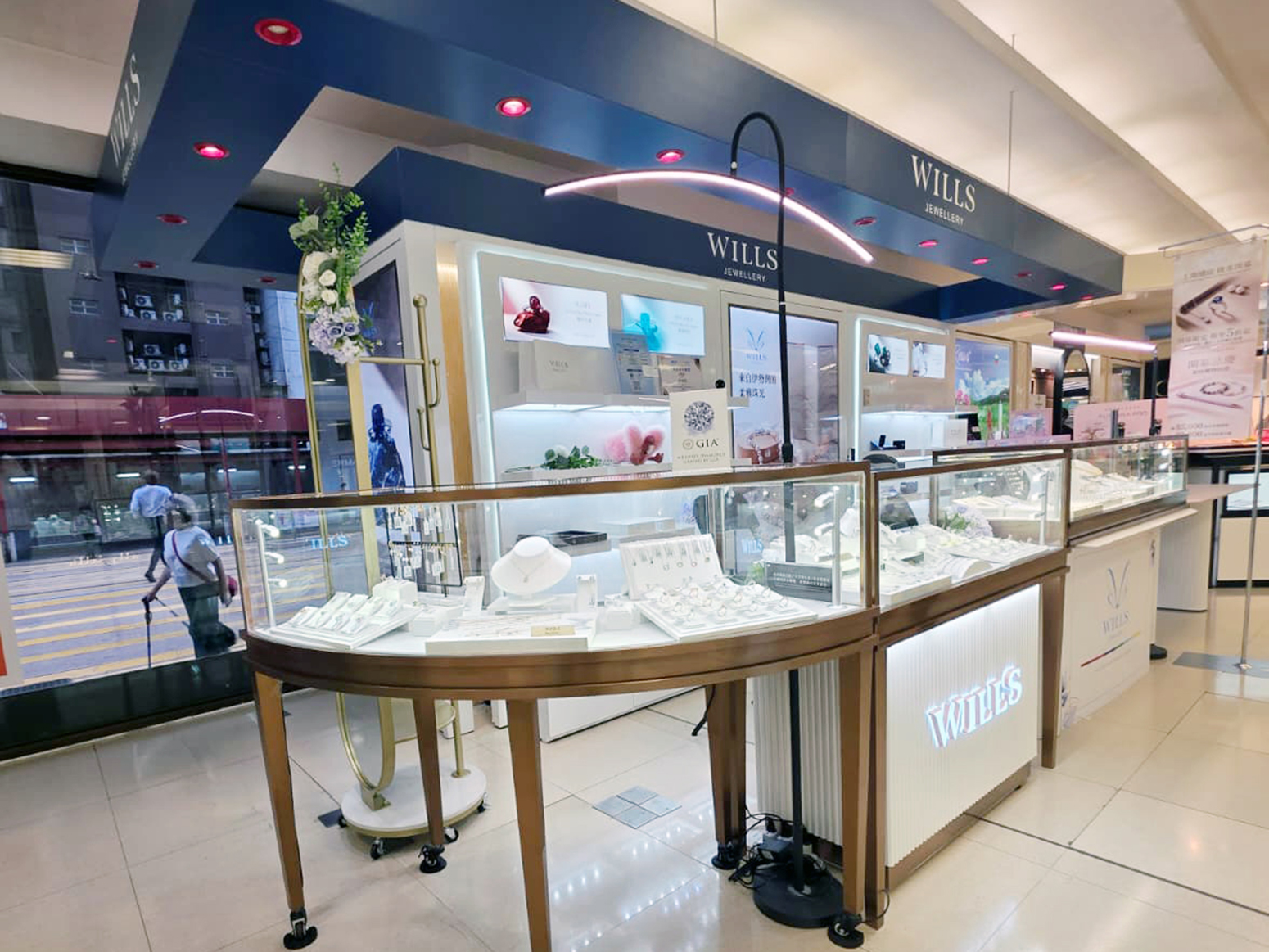
Sheung Wan Wing On Store
211 Des Voeux Road Central, Sheung Wan, Hong KongGround floor, beside the main entrance of Wing On Department Store, Sheung Wan
Opening hours: 10:00–19:30
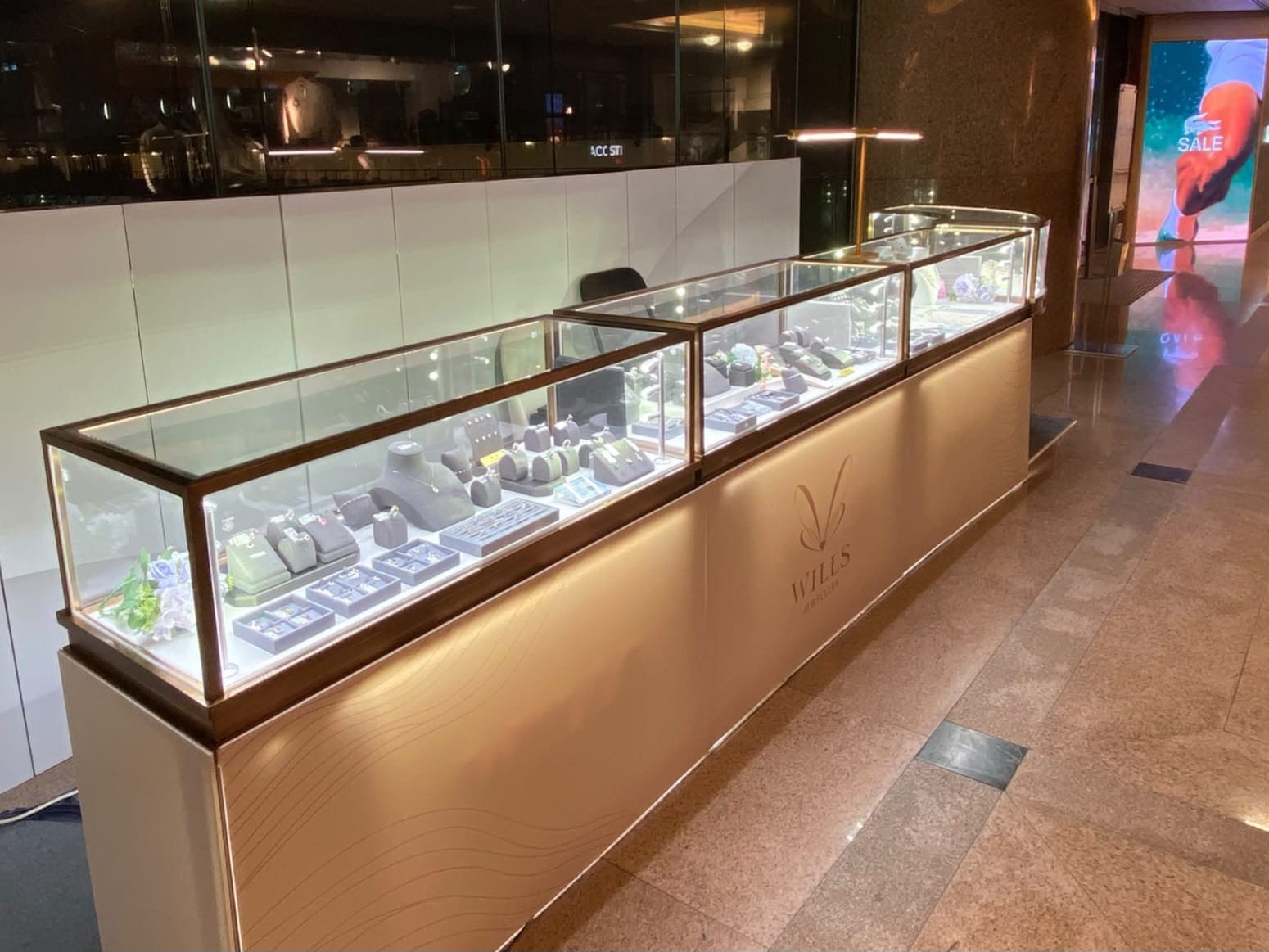
Tsim Sha Tsui Harbour City Store
Harbour City, Tsim Sha Tsui, Hong Kong2/F, Harbour City, near the Chevignon store
Opening hours: 11:00–21:00
You can choose a location and appointment time at any of our three stores on the dedicated booking page .
Enquiries: +852 3571 9629 / WhatsApp
View store addresses and opening hours | Learn about after-sales service | Discover WILLS JEWELLERY
Frequently Asked Questions About Jewellery Care
Understanding the materials and condition of your jewellery before cleaning helps you avoid unsuitable methods.
Can I clean diamond jewellery at home?
Yes, but first confirm that the diamond treatment and jewellery construction make it suitable. If the setting is secure, there are no glued components or other sensitive materials, you can gently clean it with lukewarm water, a small amount of mild, pH-neutral cleaning solution and a soft-bristled brush. If any prongs are loose, the diamond has a special treatment or you are unsure about the materials, have a store inspect it first.
Can pearls be cleaned with ultrasonic cleaners or steam?
No. Ultrasonic cleaners and steam may damage pearls or the jewellery structure. For everyday care, gently wipe with a soft cloth, avoid soaking, and keep away from perfume, cleaning products and abrasive products.
How should I clean a piece if I don't know the gemstone type?
Do not soak it or use cleaning solutions or machines. Gently wipe it with a soft, dry cloth, then ask a jewellery consultant to confirm the gemstone type, treatment and setting. If a piece contains different materials, follow the care requirements of the most delicate material.
How often should I have prongs or pearl stringing checked?
For set jewellery worn regularly, we recommend an inspection about every six months. For pearl necklaces worn regularly, we recommend checking the stringing every one to two years. The ideal frequency depends on how often you wear the piece and its condition. Arrange an earlier inspection if it has been knocked or snagged, or if you notice any looseness.
Are WILLS jewellery cleaning and inspections free?
Every WILLS jewellery piece comes with complimentary lifetime cleaning and inspection. Choose a store location, date and time on the dedicated booking page. If repairs, restringing or replacement parts are needed, please check with our team to confirm whether additional charges apply.
How do I book jewellery cleaning and an inspection?
Please visit the dedicated WILLS JEWELLERY jewellery care booking page, select a store location, date and time, and complete the booking details. Before your visit, check the store address and appointment time in your confirmation. If you have any questions, contact us via WhatsApp or phone.
Go to the jewellery cleaning and inspection booking pageCan I choose which store to visit for jewellery care?
Yes. On the TidyCal booking page, you can choose the Central Private Showroom, Sheung Wan Wing On Store or Tsim Sha Tsui Harbour City Store. Available dates and times are shown on the booking page.
When should I stop wearing a piece immediately?
If you notice a loose prong, a moving gemstone, a misshapen ring band, a damaged clasp or loose pearl stringing, stop wearing the piece immediately. Place it safely in a separate jewellery box. Do not adjust the prongs or continue cleaning it yourself; contact a store for an inspection.