Natural Colored Diamonds: The Natural Beauty Worth a Closer Look
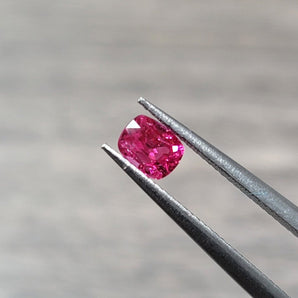
The softness of pink diamonds, the brightness of yellow diamonds, the depth of blue diamonds, and the natural character of green diamonds bring distinctive personalities to jewellery.
WILLS JEWELLERY offers natural colored diamond selection, private jewellery viewings, and custom consultation in Hong Kong. From color appearance and gem reports to setting proportions, we help you find colored diamond jewellery suitable for wearing, commemorating, and collecting.
What Are Natural Colored Diamonds?
Natural colored diamonds are diamonds that display colors such as yellow, pink, blue, or green due to natural factors including trace elements, lattice changes, or natural radiation. In the jewellery market, they are commonly referred to as “colored diamonds”; common English names include Coloured Diamonds and Fancy Colour Diamonds.
When purchasing, separately confirm the origin of the diamond itself and the color origin. Natural diamonds may also be artificially treated to change their color, so “natural diamond” does not necessarily mean “natural color.” Natural colored diamonds, naturally mined diamonds with artificially altered color, and lab-grown colored diamonds should be clearly distinguished.
The diamond and color origin should be determined based on the findings of a professional laboratory. Product names, photographs, or visual observation cannot replace a gem report.
Yellow, Pink, Blue, and Green Diamonds
Every color has different levels. Even within the same primary color, differences in secondary colors, color depth, and saturation affect the appearance and character of colored diamond jewellery.
| Color | Main Color-Causing Factors | What to Pay Particular Attention to When Buying |
|---|---|---|
| Yellow Diamond Yellow | Nitrogen (N) in the diamond crystal. | Compare face-up color, color distribution, and brightness; secondary colors affect the warm or cool appearance. |
| Pink Diamond Pink | Often related to lattice distortion (plastic deformation). | Note secondary colors such as purple, orange, and brown, and compare the actual stone under different lighting conditions. |
| Blue Diamond Blue | Mostly associated with boron (B), though other color-causing mechanisms also exist. | Gray or green secondary colors can alter the cool tone; check the natural origin and color origin. |
| Green Diamond Green | Natural radiation in the geological environment; artificial irradiation can also produce green. | Confirming the color origin is the first step; in some cases, it is difficult to determine it conclusively. |
Yellow Diamond: Bright and Warm
The yellow color of yellow diamonds is usually associated with nitrogen in the diamond. Different color grades and secondary colors can create a soft, vivid, or deeper yellow appearance.
When choosing a yellow diamond ring, compare the center stone's face-up color, color distribution, and brightness. The choice of yellow gold, white metal, and accent stones also affects the overall warm or cool effect after setting.
Read the yellow diamond article and jewellery collection
Pink Diamond: Delicate and Full of Character
The color of many natural pink diamonds is related to lattice distortion. Pink may be accompanied by secondary colors such as purple, orange, or brown, so the name “pink diamond” alone cannot determine its full appearance or value.
Pink diamonds can be incorporated into engagement rings, anniversary jewellery, or personal jewellery. When evaluating one, review the report's color description and compare the stone's color appearance under different lighting conditions.
Read the pink diamond article and jewellery collection
Blue Diamond: Deep, Cool Tones
The blue color of most natural blue diamonds is associated with boron, though other color-causing mechanisms also exist. Secondary colors such as gray or green may give blue diamonds different cool tones.
Blue diamonds can highlight the center stone through a clean design or create contrast with yellow or white diamonds. When purchasing, confirm the natural origin, color origin, and relevant report details.
Read the blue diamond article and jewellery collection
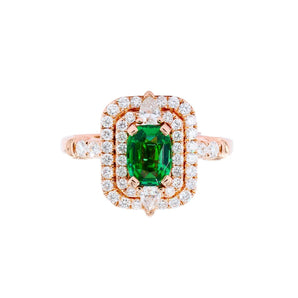
Green Diamond: Natural Character and Distinctive Color
The color of natural green diamonds is often associated with natural radiation in the geological environment. Since artificial treatment can also produce green, confirming the color origin is an important step when buying a green diamond.
We recommend first checking the professional report's determination, then comparing color distribution, face-up appearance, and setting proportions. Do not decide solely based on the depth of green shown in photographs.
Read the green diamond article and jewellery collectionHow to Choose Natural Colored Diamonds
First determine the intended use, budget, and preferred color, then compare origin, color, weight, clarity, cut, and design as a whole. Carat size is only one factor, not the sole standard.
| Comparison Criteria | Key Points to Note |
|---|---|
| Diamond and Color Origin | Confirm separately whether the diamond is natural and whether its color formed naturally. “Natural diamond” does not mean the color has not been artificially treated. |
| Primary Hue and Secondary Colors | Check the complete color description. Secondary colors affect appearance, and the same primary color name does not mean the colors are exactly the same. |
| Color Depth and Saturation | Compare brightness, saturation, color distribution, and overall appearance. A deeper color is not necessarily more desirable or valuable. |
| Weight and Dimensions | A carat is a unit of weight. With different shapes and cutting proportions, stones of the same weight may still appear different in size when viewed from the front. |
| Cut and Clarity | Pay attention to brightness, reflection, the position of inclusions, and durability. Colored diamond cutting may also consider preserving or enhancing the color appearance. |
| Report and Piece Details | Check the report type, number, and covered items, and confirm the center stone, accent stones, metal, dimensions, price, and availability. |
How should colored diamond color grades be understood?
GIA colored diamond reports may use color descriptions such as Faint, Very Light, Light, Fancy Light, Fancy, Fancy Intense, Fancy Vivid, Fancy Deep, or Fancy Dark; the applicable grade depends on the diamond's color and appearance.
These grades are not a simple ranking from low to high price. Comparisons should also consider the primary hue, secondary colors, weight, clarity, and the appearance of the actual stone.
A gem report is not an appraisal
A gem report records identification and grading results within its scope of examination. It is not a retail appraisal and does not guarantee future appreciation or resale value.
Different report types may cover different information. Before purchasing, confirm whether the report states the color origin and includes required details such as weight and clarity.
Selected Colored Diamond Jewellery
From classic halo settings to heart-shaped elements and cool-warm color combinations, different designs give colored diamonds distinctive wearing styles.
Yellow diamond halo ring
White diamonds accentuate the yellow center stone, creating a harmonious interplay of warm color and clear contours that showcases a classic and luminous jewellery style.
Inquire about yellow diamond halo ringPink diamond heart design ring
The combination of soft pink tones and heart-shaped elements creates a design direction rich in emotional symbolism and personal style for proposal or anniversary jewellery.
Inquire about pink diamond heart design ringBlue and Yellow Diamond Color-Combination Rings
Cool and warm tones reflect one another in the same piece, highlighting the personality of the colored diamonds through contrast for customers who prefer vivid color combinations and unique compositions.
Enquire About Blue and Yellow Diamond Color-Combination RingsThe images on this page are for jewelry viewing and design reference. Please confirm the center stone's origin, color grade, carat weight, metal, price, and availability for individual pieces with a jewelry advisor. Image colors may vary due to lighting during photography and screen settings.
Colored Diamond Selection and Custom Design Consultation
Start with a colored diamond you love, or with a moment you want to commemorate. We help you sort through gemstone and design options so the piece suits your practical wearing needs.
-
01 · YOUR PREFERENCES
Purpose and Preferences
Share your budget, preferred colors, jewelry type, and wearing habits to establish a selection direction suited to an engagement, anniversary, or personal choice.
-
02 · THE DIAMOND
Colored Diamonds and Reports
Compare the color, shape, weight, and face-up appearance of the available gemstones, and learn about the relevant reports, prices, and availability.
-
03 · THE DESIGN
Design and Arrangements
Discuss the metal, accent stones, setting proportions, and size. If you choose a custom design, then confirm the design proposal, quote, estimated production time, and delivery arrangements.
From Rings to Pendants and Earrings
Colored diamonds can be the color focal point of different jewelry pieces. Examine the proportions between the center stone, accent stones, and lines to explore the way of wearing that suits you.
Click the image to view a larger version.


Frequently Asked Questions About Natural Colored Diamonds
What is the difference between natural colored diamonds and treated color-enhanced diamonds?
The color of natural colored diamonds results from natural factors, while treated color-enhanced diamonds have their color changed through treatment. A diamond itself can be natural while its color has been treated, so “natural diamond” does not mean “natural color.” When purchasing, check the professional report's determination of the color origin.
Are darker colored diamonds more expensive?
Not necessarily. Colored diamond prices are influenced by the primary hue, secondary color, color grade, carat weight, clarity, cut, and market supply and demand. A deeper color is not necessarily more vivid or more popular, and value cannot be judged solely by how light or dark it appears in a photo.
Do colored diamonds need a GIA report?
For high-value colored diamonds, it is recommended to choose a gemstone with a credible professional laboratory report, such as GIA, and confirm that the report covers the required information. Different report types may provide only some identification or grading details; pay particular attention to whether the origin is natural or laboratory-grown, the origin of the color, and the color description. A gemstone report is not the same as a valuation or a guarantee of value retention.
Are colored diamonds suitable for everyday-wear engagement rings?
Colored diamonds can be used in engagement rings, but whether they are suitable for everyday wear also depends on the gemstone's condition, setting structure, and usage habits. Diamonds are very hard but are not immune to chipping; avoid impacts and have the prongs and setting checked regularly.
How should colored diamond jewelry be cared for?
Care methods should take into account whether the gemstone has been treated, the setting structure, accent stones, and metal type. You can first ask a jewelry advisor about suitable cleaning methods for daily care; avoid impacts and contact with harsh chemicals, and do not use ultrasonic or steam cleaning on your own before confirming that it is suitable.
Where can I book a WILLS JEWELLERY colored diamond viewing in Hong Kong?
You may book a private viewing at the WILLS JEWELLERY Central Private Viewing Room, located at Room 1003, 10/F, Tak Woo House, 17-19 D'Aguilar Street, Central, Hong Kong (No. 1 Wo On Lane). Please book online or WhatsApp +852 3571 9629 to confirm the viewing time and the colored diamond pieces you would like to see in advance.
References
The information on this page about the causes of color in colored diamonds, color descriptions, and reports is based on the following publicly available GIA materials and compiled by the WILLS JEWELLERY jewelry advisory team according to its practical experience in selecting stones. GIA is an independent gemological institution; citing its materials on this page does not represent an endorsement of WILLS JEWELLERY by GIA.
- GIA:Fancy Color Diamond Quality Factors
- GIA Gems & Gemology:Naturally Colored Yellow and Orange Gem Diamonds: The Nitrogen Factor
- GIA Research:Why are Pink Diamonds Pink? GIA Researchers Dive Deep into their Crystal Structure
- GIA Gems & Gemology:Natural-Color Blue, Gray, and Violet Diamonds: Allure of the Deep
Private Viewing of Colored Diamonds in Central, Hong Kong
Photos showcase the design, while viewing the actual piece lets you compare the color, brilliance, size, and how it looks when worn more directly.
You are welcome to book a private viewing at the WILLS JEWELLERY Central Private Viewing Room. When booking, you may tell us your preferred colors, intended use, and budget, and first confirm the availability and viewing arrangements for the relevant pieces.
17-19 D'Aguilar Street, Central, Hong Kong
Room 1003, 10/F, Tak Woo House
(No. 1 Wo On Lane)
Room 1003, 10/F, Tak Woo House,
17–19 D'Aguilar Street,
Central, Hong Kong
Phone: +852 3571 9629