Understanding Rubies Ruby
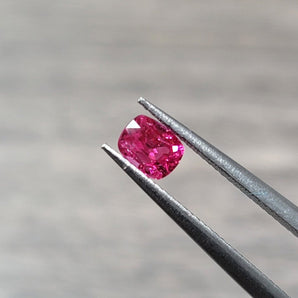
Ruby is the July birthstone, symbolizing passion, love, and strength. As the most representative red gemstone in the corundum family, rubies are known for their vivid and vibrant red color. From Pigeon Blood Red, Myanmar rubies to Mozambique rubies, each ruby needs to be assessed based on color, clarity, treatment methods, origin, cut, and certificates.

The hues, brightness, and brilliance of natural rubies can vary due to light sources, cuts, inclusions, and treatment conditions. WILLS JEWELLERY recommends comparing the actual items in person, and then making choices based on purpose, budget, and design direction.
What is a Ruby?
Rubies belong to the corundum family. When gem-quality corundum appears red, it is generally referred to as Ruby; while corundum of other colors is mostly classified as Sapphire. Rubies and sapphires are both corundum, but due to their vivid red color and rarity, rubies stand out as one of the most important colored gemstones in the jewelry world.
The red color of rubies is primarily related to the element chromium. The beauty of high-quality rubies is not just about "the redder, the better," but requires a balance between color saturation, brightness, transparency, clarity, cut proportions, and overall brilliance.
As the July birthstone, rubies are often seen as symbols of passion, love, courage, strength, and commitment. They possess durability, emotional meaning, and collectible value, making them common in high-end jewelry, anniversary gifts, engagement rings, and collectible gemstones.

Three Key Features of Rubies
Rubies are hailed as the king of colored gemstones not only for their striking red color but also for their durability, emotional significance, and lasting collectible value.
The Red Gem of the Corundum Family
Rubies belong to the corundum family and are classified as Ruby due to their vivid red color, making them one of the five most precious gemstones in the world.
High hardness, suitable for daily wear
Rubies have a Mohs hardness of 9, making them durable, second only to diamonds, suitable for rings, pendants, earrings, and heirloom jewelry.
Combining Emotional and Collectible Value
Rubies symbolize passion, love, courage, and commitment, and are often seen in anniversary gifts, engagement rings, and collectible jewelry.
The Color World of Rubies
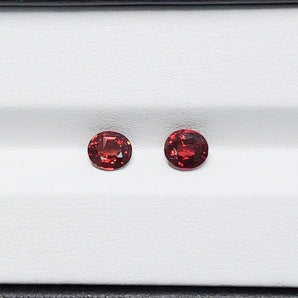
The value of rubies largely depends on color. Ideal rubies typically possess a vivid, saturated, and vibrant red; however, different shades of red can present different qualities, such as Pigeon Blood Red, Vivid Red, Purplish Red, Pinkish Red, and Deep Red. The most suitable choice should still be determined based on purpose, wearing style, and budget.

The Many Reds of Ruby
Pigeon Blood Red, Vivid Red, Purplish Red, and Deep Red each have different brightness, saturation, and wearing qualities.
Pigeon Blood Red is not the only standard.
Pigeon Blood Red is a highly sought-after color description for rubies, but value should not be judged solely by color name. What truly matters is the ruby's color saturation, brightness, transparency, clarity, cut, and certificate description under different light sources.
WILLS JEWELLERY recommends that customers compare gemstones in person, as photos often fail to fully capture the true colors, inclusions, and brilliance of rubies.


The value of a ruby is not determined solely by carat weight.
For the same 1ct ruby, prices can vary greatly due to color, clarity, cut proportions, origin, treatment methods, and certificates. Understanding value factors can prevent judging a ruby solely by "how many carats, how much money."
Natural rubies each have different hues, brightness, cuts, and inclusions. Even if photos look similar, the actual value can vary greatly. WILLS JEWELLERY evaluates based on gemstone conditions, certificates, wearing effects, and design direction, not just by comparing carat weight.
Overview of Major Ruby Origins
The origin of rubies affects market perception, collecting preferences, and certificate descriptions, but the origin itself does not equate to a quality guarantee. The same origin can have different colors, clarity, treatments, and value levels, so it should be assessed in conjunction with the physical beauty, certificates, and price.
| Origin | Market Perception | Common Colors / Features | Shopping Tips |
|---|---|---|---|
| 緬甸 Myanmar |
Burmese Ruby | One of the oldest and most recognized ruby origins for collection, especially the Mogok region is highly regarded. | Often associated with bright, saturated, and vibrant red colors; high-quality Burmese rubies are highly sought after in the market. |
| Not all Burmese rubies are of collection grade; it still depends on color, clarity, treatment status, certificates, and physical beauty. Mozambique |
Mozambique Ruby | In recent years, a very important source of rubies in the international market, with relatively stable supply and more options. | Visible bright red, better transparency, and different carat options; high-quality Mozambique rubies can also be very attractive. |
| Suitable for high-end jewelry, daily wear, and custom pieces. Also pay attention to treatment methods, cutting proportions, and certificate descriptions. Greenland |
Greenland Ruby | In recent years, a trending emerging origin, gaining attention for its Arctic Circle origin story, traceability, and Aappaluttoq mine background. | Simultaneously produces rubies and pink sapphires, with a market positioning leaning towards rubies with origin stories, unique sources, and traceability. |
| Supply is limited, and reports indicate that mines have temporarily suspended production. When purchasing, do not just look at the name of the origin; still need to consider the physical color, clarity, treatment, and certificate. Thailand / Cambodia |
Thai & Cambodian Ruby | Historically an important ruby-producing region, also commonly seen in more traditional or vintage-style jewelry. | Color tones are sometimes deeper and warmer, possibly with a brownish-red or deep red feel, giving a mature vintage quality. |
| Suitable for customers who like deep red, classic, or vintage styles. Pay attention to brightness and whether it is too deep. Madagascar |
Madagascar Ruby | Madagascar produces various colored gemstones, and rubies are among them. | Color tones can range from pinkish-red to deeper red, with a wide range of quality. |
| When purchasing, focus on comparing transparency, cutting, inclusions, and treatment methods, rather than just looking at the origin. Vietnam |
Vietnam Ruby | Supply is relatively limited, and some high-quality Vietnamese rubies are of collection interest. | Sometimes they can present bright red or pinkish-red colors, while some gemstones have soft and bright colors. |
WILLS reminds: Origin is a reference, not the only value standard
Heated vs. Unheated Rubies
Treatment
Heated Ruby
Heated treatment is a common and widely accepted method in the ruby market, mainly used to improve color and transparency. If the treatment method is clear and the overall performance of the gemstone is ideal, heated rubies can still be elegant and valuable jewelry options.
Unheated Ruby
Unheated rubies retain their natural formation state, and if the color, clarity, cutting, and certificate are all excellent, they are usually rarer and more valued by collectors. However, being unheated does not necessarily mean they are more beautiful; overall judgment should still be based on the physical item.
How should we understand ruby origins and certificates?
Ruby origins are often a concern for customers, with Burmese rubies being highly valued by collectors due to their historical reputation; Mozambique rubies are also an important source in today's market due to their color performance and stable supply.
However, origin is not the only value standard. When truly assessing a ruby's value, it is still necessary to consider color, clarity, cutting, treatment status, carat weight, certificate descriptions, and overall beauty.
For high-value rubies, gemstone certificates can help confirm natural origin, treatment status, and some origin opinions. The content and expression of reports from different appraisal organizations may vary, and should be clearly explained by jewelry consultants when purchasing.
Certificates help understand gemstone information but should not replace physical judgment. The color liveliness, fire, proportions, and wearing effects of rubies still need to be compared in person for accuracy.

What are the differences between rubies, spinels, and garnets?
Not all red gemstones are rubies. Rubies, spinels, and garnets each have different colors, hardness, refractive indices, and value positioning. Understanding their differences helps in choosing the most suitable jewelry for daily wear, gifts, or collections.
| Comparison Items | Ruby | Spinel | Garnet |
|---|---|---|---|
| Gemstone Families | Corundum Family | Spinel Family | Garnet Family |
| Mohs Hardness | 9 (very hard, suitable for daily wear) | 7.5 – 8 (high hardness) | 6.5 – 7.5 (fair hardness) |
| Refractive Index | 1.76 – 1.78 (strong fire) | 1.71 – 1.73 (strong fire) | 1.73 – 1.89 (by variety) |
| Common Color Tones | Bright red, pigeon blood red, purplish-red, deep red | Bright red, pink, purplish-red, orange-red | Burgundy, brownish-red, orange-red, purplish-red |
| Value Positioning | One of the world's five precious gemstones, with high collection value | Rare colored gemstones with collection potential | Entry to mid-range colored gemstones |
| Suitable Uses | Engagement rings, anniversaries, high-end jewelry | Everyday jewelry, personalized design, collection | Entry gifts, daily wear, vintage style |
Rubies possess irreplaceable hardness and historical status; spinels are bright in color and increasingly valued; garnets offer a warm and approachable option.
How WILLS Evaluates a Ruby
WILLS JEWELLERY compares not only carat weight and price but also assists customers in understanding the character and value of each ruby based on color, light quality, cutting, inclusions, certificates, treatment methods, and wearing purposes.
See Color
Observe the tone, saturation, brightness, and liveliness of rubies under different light sources.
See Light Quality
Beyond color names, it is more important to consider whether the gemstone is transparent, bright, has fire, and a natural beauty.
See Proportions
Cutting proportions affect visual size, brightness, and the overall wearing effect after setting.
See Uses
For personal use, gifts, collections, anniversaries, or proposals, the suitable gemstone conditions and design directions vary.
WILLS Ruby Collection
The following are past designs and production cases of WILLS JEWELLERY, some gemstones and styles are sold out or no longer available. You can refer to the tone, proportion, and design direction of the works, and the consultant will reconfigure a similar style based on the existing gemstones and budget.


Each natural gemstone has its unique color, proportions, and price, so the same style may not be reproduced at the same price. Consultants can assist in finding similar gemstones and design options based on your budget, purpose, and preferences.
Explore WILLS Ruby Products
From ruby rings, ruby pendants, ruby earrings to loose stone selections, find suitable pieces based on your purpose, budget, and preferences. If you cannot find suitable options in the online store, feel free to make an appointment for consultants to assist you.

Why is it worth appreciating rubies in person?
The red color, fire, and inclusions of natural rubies are difficult to fully assess based solely on photos. Visiting the store allows you to compare different shades of red under natural and indoor lighting, with consultants explaining color, cut, treatment, certification, and wearing effects on the spot.
Subscribe to WILLS Gemstone Appreciation Notes
Receive regular knowledge about natural colored gemstones, purchasing guides, rare gemstone stories, and the latest collection pieces from WILLS. This is not an ordinary promotional email, but appreciation notes prepared for those who truly love gemstones.
Subscription content includes: ruby colors, pigeon blood, heated and unheated, origin certificates, gemstone care, and WILLS collection piece sharing.
Further Reading: Ruby Knowledge
If you wish to gain a deeper understanding of ruby colors, values, purchasing methods, and the differences among red gemstones, the following articles can serve as your next reading direction.
How to Purchase Rubies
Understand the key points for purchasing rubies based on color, clarity, cut, carat, treatment, and certification.
Read ArticleRuby Color and Pigeon Blood Red
Understand how pigeon blood red, bright red, purplish red, and deep red shades affect the appearance and value of rubies.
Read ArticleHeated vs. Unheated Rubies
Learn about common treatments for rubies and the rarity and collectible value of unheated rubies.
In-Depth UnderstandingComparison of Red Gemstones
Compare the colors, hardness, value, and wearing positions of rubies, spinels, and garnets.
View Gemstone CatalogCommon Questions about Rubies
The following summarizes the most common questions customers encounter when purchasing rubies, helping you establish a basic understanding before visiting the store for viewing or inquiries.
What month is the ruby birthstone?
Rubies are the birthstone for July, symbolizing passion, love, strength, and courage, and are often chosen as gifts for July birthdays.
Are rubies part of the corundum family?
Yes. Rubies and sapphires both belong to the corundum family. Generally, red gemstone-grade corundum is called ruby, while other colors are mostly classified as sapphire.
Are rubies suitable for everyday wear?
Yes. Rubies have a Mohs hardness of 9, making them durable and suitable for making rings, pendants, and earrings. However, they should still be protected from hard impacts and checked regularly for secure settings.
What is a pigeon blood red ruby?
Pigeon blood red typically describes a vivid, saturated, and vibrant red, which is one of the most sought-after shades in rubies. However, actual value still needs to be assessed based on color, clarity, cut, origin, and treatment status.
Are heated rubies bad?
Heated rubies are not necessarily inferior. Heating is a common treatment in the market used to improve color or clarity. The key when purchasing is whether the treatment is clear, whether the price is reasonable, and whether the overall performance of the gemstone is ideal.
Are unheated rubies always more valuable?
Unheated rubies are rarer, but that does not mean every unheated ruby is more beautiful or more valuable than heated rubies. Color, clarity, cut, size, certification, and overall aesthetics are still very important.
Are Burmese rubies always better than Mozambique rubies?
Not necessarily. Burmese rubies are valued for their historical reputation, but there are also many high-quality options for Mozambique rubies. The actual quality of the gemstone, treatment status, and certification information should be the basis for judgment.
What are Greenland rubies?
Greenland rubies are primarily associated with the Aappaluttoq mining area and are a trending new source of rubies in recent years. Their uniqueness lies in the story of their Arctic origin and traceability, but market supply is limited, and there have been reports of the mine temporarily halting production. When purchasing, one should still base their judgment on color, clarity, cut, treatment, and certification.
What is the difference between rubies and pink sapphires?
Rubies and sapphires both belong to the corundum family. Generally, red corundum is called ruby, while pink or other colors are classified as sapphires. Specific classifications may vary depending on hue and market standards.
Can collection pieces be custom-made again?
The pieces in the collection are mostly past sales or custom cases and may not be reproduced with the same gemstones or at the same price. However, they can serve as design direction references, with WILLS consultants re-matching styles based on available gemstones, budget, and intended use.
Do you want to personally compare the shades and brilliance of rubies?
The beauty of natural rubies often cannot be fully captured in photos. You are welcome to make an appointment to visit the WILLS JEWELLERY Central store, where our consultants will introduce you to different shades of red, treatments, certificates, and design directions.