Learn About Sapphire Sapphire
Sapphire is the September birthstone, symbolizing loyalty, wisdom, and endurance. From Royal Blue and Cornflower Blue to the rare Padparadscha, sapphire represents more than a single shade of blue: it is a world of fine jewelry where color, brilliance, and personal style intertwine.
Share your preferred color tone, intended use, or budget, and let WILLS jewelry consultants help you find suitable options. You can also start learning before deciding on the carat weight or whether to choose heated or unheated.

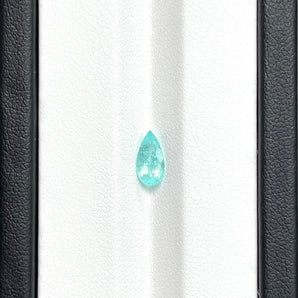
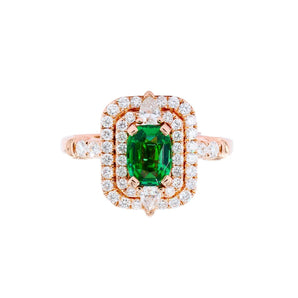
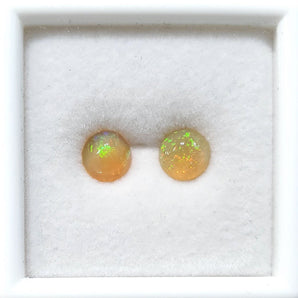
The color and brilliance of natural sapphires vary with the light source, cut, and inclusions. Photos are for reference, and comparison should consider the actual stone, intended use, and budget together.
Sapphire Key Facts
- Definition: Sapphire is the collective name for all gem-quality corundum (Al₂O₃) other than red, and belongs to the trigonal crystal system; red corundum is called Ruby.
- Hardness: Mohs hardness 9, second only to diamond among natural gemstones, with excellent scratch resistance, making it suitable for engagement rings and everyday wear.
- Color: Blue is mainly colored by iron and titanium, while pink is colored by chromium; violet, yellow, green, parti-color, and the rare pink-orange Padparadscha varieties also exist.
- Symbolism: The September birthstone and the anniversary stone for the 5th and 45th wedding anniversaries, symbolizing loyalty, wisdom, and endurance.
- Treatment: Heating is common and widely accepted in the market; other treatments, such as diffusion and filling, have different characteristics and should be clearly disclosed.
- Value: Determined collectively by color, clarity, cut, carat weight, treatment, origin opinion, and grading report; carat weight alone is not enough.
Start with the jewelry you want to wear.
You do not need to understand gemstone specifications first. Tell us how you plan to use it, and we can begin discussing your purchasing options.
Discuss the center stone, wearing proportions, and design.
Start an inquiry →Everyday wear / GiftChoose according to the occasion, style, and budget.
Start an inquiry →Loose stone / Custom-madeShare a shape, color tone, or reference piece.
Start an inquiry →Not sure yetCompare first, then learn about your purchasing options.
Learn more →What Is Sapphire?
Sapphire belongs to the corundum family. When gem-quality corundum is red, it is generally called Ruby; gem-quality corundum in other colors is called Sapphire.
Many people think sapphires are only blue, but natural sapphires come in a rich variety of colors, including pink, violet, yellow, green, blue-green, parti-color, and the rare pink-orange Padparadscha.
Sapphire has long been associated with royal jewelry, love, wisdom, and honesty. Its color range and excellent scratch resistance make it common in fine jewelry, commemorative jewelry, and sapphire engagement rings. Individual high-quality and rare gemstones may also attract attention in the collector market, but not all sapphires have the same collectible qualities.

Three Key Features of Sapphire
Excellent Scratch Resistance
Sapphire has a Mohs hardness of 9, making it suitable for many types of everyday jewelry. Hardness reflects scratch resistance, not immunity to chipping; impacts should still be avoided and settings inspected regularly.
A Rich World of Color
Not only blue. Pink, violet, yellow, green, parti-color, and Padparadscha sapphires all express the diverse wearing character of the sapphire family.
Emotional and Collectible Significance
Associated with loyalty, wisdom, and important milestones, sapphire is a jewelry choice rich in meaning. Collectibility should be assessed by considering quality, rarity, treatment, and market demand together.
The World of Sapphire Colors
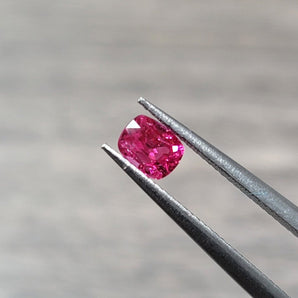
Which sapphire color appeals to you most? Color is an important value factor, and hue, lightness, darkness, saturation, and uniformity should be compared together. The right choice should also suit the intended use, wearing style, and budget.
A color name is a starting point, not the only standard.
Names such as Royal Blue and Cornflower Blue help convey the color direction, but usage standards may differ between laboratories. A color name is not proof of origin and should not be used alone to determine value.
Photos and screens may alter the perception of color. WILLS recommends comparing the brightness, transparency, and brilliance of the actual stone under different lighting conditions, then choosing according to personal preference.
Read the sapphire color article →Royal Blue
Royal BlueA rich blue direction, worth comparing for lightness, darkness, transparency, and face-up brilliance.
Browse blue sapphire styles →Cornflower Blue
Cornflower BlueOften used to describe a soft blue appearance; the actual color standard should be verified against the individual report.
Browse blue sapphire styles →Violet-blue
Violet SapphireSubtle layers of blue and violet can be compared under different lighting and with different metal combinations.
Browse violet-blue styles →Pink
Pink SapphireFrom pale pink to vivid pink, each has a distinct character and can suit everyday or commemorative jewelry.
Browse pink styles →Green
Green SapphireVariations in the depth and tone of green are worth exploring for those who like natural colour families.
Browse Green Styles →Bi-colour
Bi-colour SapphireDifferent colour zones form a unique composition through cutting, and each stone has its own visual appearance.
Browse Bi-colour Styles →Yellow
Yellow SapphireA bright and warm colour direction, allowing comparison of the wearing effect of pale to deep yellow.
Browse Yellow Styles →Padparadscha
PadparadschaPink and orange interwoven; naming requires attention to colour proportions, stability and the report.
Explore Padparadscha Pieces →Sapphire Colour Family Comparison Chart
An overview of common colour names, main colour-causing elements, common origins and key considerations for selecting sapphires in different colour families.
| Colour Family | Common Colour Names | Main Colour-Causing Elements | Common Origins | Key Considerations | Styles |
|---|---|---|---|---|---|
| Blue Blue | Royal Blue, Cornflower Blue | Iron (Fe) + titanium (Ti) | Sri Lanka, Myanmar, Madagascar, Thailand, Australia | Compare saturation, tone and brightness, avoiding excessive depth that causes loss of brightness | Browse Styles |
| Violet / Purple Violet / Purple | Purple-blue, violet | Iron + titanium, with a small amount of chromium (Cr) | Sri Lanka, Madagascar | The blue-purple proportion may vary under different light sources | Browse Styles |
| Pink Pink | Pale pink to deep pink | Chromium (Cr) | Sri Lanka, Madagascar, Myanmar | The more vivid the tone, the more sought after it is; when deep colour approaches the boundary of red, check the report’s classification | Browse Styles |
| Yellow Yellow | Pale yellow to deep yellow | Iron (Fe) or colour centres | Sri Lanka, Thailand, Australia | Brighter colours without brownish tones are preferred | Browse Styles |
| Green Green | Yellow-green to deep green | Iron (Fe) | Australia, Thailand, Nigeria | Pay attention to whether the tone is greyish or dark | Browse Styles |
| Bi-colour | Zoned colours such as blue-green and blue-yellow | Changes in composition during crystal growth | Australia, Thailand | Appreciate the distribution of colour zones and the cut composition | Browse Styles |
| Padparadscha | Blending of pink and orange | Chromium (Cr), also involving factors such as colour centres | Sri Lanka, Madagascar, Tanzania | Pink-orange proportions, colour stability and report colour name | Browse Styles |
Note: The origins listed are common commercial sources and are not exhaustive; origin is not a guarantee of quality, and the colour name and origin opinion for each gemstone are subject to the laboratory report.
Find a colour tone you like, then compare in person.
Among the confirmed gemstones and pieces, compare colour tone, light performance and wearing proportions, and discuss the budget and design direction.
The availability and viewing arrangements for specified gemstones and pieces must be confirmed in advance.
A Sapphire’s Value Is Determined by More Than Carat Weight
Two 1ct sapphires can differ greatly in price because of colour, treatment, cut, clarity, origin opinion and report. Understanding the value factors helps avoid judging a gemstone only by “how many carats, how much money”.
Colour Colour
Compare hue, saturation, tone and uniformity; deeper colour should not come at the sole cost of face-up brightness.
Clarity Clarity
Inclusions may affect transparency, beauty or durability; their position, type and extent must be considered.
Cut
Assess face-up brightness, windowing and proportions; stones of the same weight may have different millimetre dimensions and appearances when worn.
Weight Carat
Carat weight affects price but cannot replace quality. The weight of a single centre stone also cannot be directly compared with the total weight of multiple stones.
Treatment Treatment
Heating, diffusion and filling are different treatments, so the report’s actual description should be clearly understood.
Origin & Reports
Origin opinions and treatment information may affect market value, but origin is not a guarantee of quality, and a report is not an appraisal.
Even when photographs look similar, a gemstone’s colour tone, cut, inclusions, treatment and report may still differ. WILLS considers the gemstone’s characteristics, appearance when worn and design direction together, rather than comparing carat weight alone.
Heated and Unheated Sapphires
Heated does not mean poor, and unheated does not necessarily mean more beautiful. What is worth comparing is the overall appearance, whether the treatment is clearly disclosed, and whether it suits the purpose of wearing and purchasing.
Heated Sapphires
Heating can improve colour or clarity and is a common and widely accepted treatment in the market. A heated sapphire with good overall appearance can be a suitable choice for everyday wear and jewellery design.
Unheated Sapphires
“Unheated” usually means that no signs of heating were observed during identification. Individual gemstones that are high quality and show no signs of heating may be rarer, but “unheated” alone cannot establish that they have undergone no other treatment, nor does it guarantee appreciation in value.
The nature and value impact of diffusion, filling and other treatments may differ. When purchasing, confirm full disclosure rather than accepting only the two simple labels “heated” / “unheated”.
How do you read a sapphire identification report?
- Confirm whether it is natural or synthetic and identify the gemstone type.
- Review the descriptions of heating and other treatments.
- Review the origin opinion and colour-name description, if provided in the report.
- Check that the report, dimensions, weight and actual gemstone correspond.
Origin is not a guarantee of quality.
Origins such as Kashmir, Sri Lanka, Myanmar and Madagascar may carry different market perceptions; however, the quality of gemstones from the same origin can also vary greatly. A laboratory origin opinion should be considered together with colour, clarity, cut and treatment.
Padparadscha: The Rare Pink-Orange Sapphire
Padparadscha is a distinctive color variety of interest in the corundum family, displaying soft tones interwoven with pink and orange. Its name is associated with the color of the lotus flower, and in the jewelry world it often evokes dawn and sunset.
Not every pink-orange sapphire can be called Padparadscha. Evaluation requires attention to the color range, saturation, color stability, treatment, and the wording of individual laboratory reports.
Transparency, face-up light performance, and reports should also be compared. The name itself cannot replace the quality of the actual gemstone and should not be taken as a direct guarantee of price or collectible value.

A beautiful color name is only the starting point;
The right gemstone for you is what matters.
How does WILLS evaluate a sapphire? Beyond carat weight and price, we comprehensively assess each gemstone based on color, light performance, cut, inclusions, reports, and its intended use.
Consider color
Compare color tone, saturation, and the balance of light and dark under different light sources.
Consider light performance
Pay attention to transparency, brightness, and visual changes as the gemstone moves.
Consider proportions
Compare millimeter dimensions, cut, and the visual effect when set and worn.
Consider the purpose
Whether for yourself, as a gift, for an engagement, or for collecting, the key considerations vary.
Find your direction from real pieces.
Explore WILLS sapphire rings, necklaces, earrings, and bracelets. You can start by enquiring about a piece you like, then discuss style, budget, and wearing needs. The availability, specifications, and viewing arrangements for specific pieces must be confirmed in advance.

“Circle • Destiny” Sapphire Necklace
For prices, specifications, and availability, view the piece details or confirm with a consultant.
View piece details →
“Circle • Destiny” Sapphire Bracelet
For prices, specifications, and availability, view the piece details or confirm with a consultant.
View piece details →
“Circle • Destiny” Sapphire Diamond Earrings
For prices, specifications, and availability, view the piece details or confirm with a consultant.
View piece details →
Pear-Shaped Sapphire Diamond Halo Ring
For prices, specifications, and availability, view the piece details or confirm with a consultant.
View piece details →
Ornate Pavé Sapphire and Diamond Ring
For prices, specifications, and availability, view the piece details or confirm with a consultant.
View piece details →
Brilliant Ring · Colored Gemstones
For prices, specifications, and availability, view the piece details or confirm with a consultant.
View piece details →Piece prices, specifications, and availability are subject to the product page or confirmation from a consultant.
Use a piece you love as the starting point for a bespoke design.
WILLS sapphire archive pieces record past designs and craftsmanship. You may refer to their color tones, proportions, and setting directions, while a consultant discusses similar styles based on available gemstones and your budget.
Royal Blue Round Sapphire Diamond Ring
Reference direction: deep blue tones, a classic diamond halo, and fine jewelry proportions.
Cushion-Cut Royal Blue Sapphire Ring
Reference direction: classic ring proportions, engagement or anniversary jewelry.
Pear-Shaped Purple-Blue Sapphire Diamond Pendant
Reference direction: purple-blue tones, a pear-shaped pendant, and proportions for everyday wear.
Natural gemstones vary in color, size, cut, and price. Archive pieces do not necessarily represent current stock, and reproduction with the same gemstone, effect, or price cannot be guaranteed. A consultant can discuss available options based on your preferences and budget.
Explore more WILLS archive pieces →
Book a Central sapphire consultation
Why are sapphires worth viewing in person? Photos cannot fully convey color tone, brightness, and proportions when worn. In-store, you can compare and discuss the arranged gemstones and pieces in person with a consultant.
Observe confirmed options under suitable lighting, rather than relying only on photos and color names.
Based on pieces available for viewing, understand how the size, setting or pendant proportions, and personal style work together.
Share your purpose and preferences, then discuss existing pieces, gemstone options, or bespoke design directions.
Before your appointment, you may prepare screenshots or links to pieces you like, along with your approximate purpose and budget, if decided. Specific colors, gemstones, and pieces must be confirmed in advance for availability and viewing arrangements.
WILLS JEWELLERY Central Private Salon17–19 D'Aguilar Street, Central, Hong Kong
Room 1003, 10/F, Tak Wo Building (1 Wo On Lane) Call +852 3571 9629
Sapphire and Appointment FAQs
Build a basic understanding first, then start comparing according to your needs.
Gemstones and selection
Are sapphires only blue?
No. Sapphire belongs to the corundum family, and red gem-quality corundum is usually called ruby; other colours include blue, pink, purple, yellow, green, bi-coloured, and Padparadscha.
Which month is sapphire the birthstone for?
Sapphire is the September birthstone and also the gemstone for the 5th and 45th wedding anniversaries, often regarded as a symbol of loyalty, wisdom, sincerity, and endurance.
Is sapphire suitable for everyday wear?
Sapphire has a Mohs hardness of 9 and good scratch resistance, making it suitable for many types of everyday jewellery. However, hardness does not mean it cannot chip or fracture, so impacts should still be avoided and settings checked regularly. If the stone has undergone special treatment, the cleaning method should also be chosen according to the individual circumstances.
Are heated sapphires bad?
Heated does not mean inferior. Standard heating is a common and widely accepted treatment in the market. Overall beauty, full treatment disclosure, and price should be compared; diffusion and filling, among other treatments, should not be conflated with standard heating.
Are unheated sapphires necessarily more collectible?
Not necessarily. “Unheated” generally means that no signs of heating were observed during identification; it does not mean that the stone has undergone no other treatments. Collectability should still be assessed based on colour, clarity, cut, size, report, and market demand; unheated status is not a guarantee of appreciation.
What is the difference between Royal Blue and Cornflower Blue?
Royal Blue is commonly used to describe an intense blue, while Cornflower Blue is commonly used to describe a softer blue appearance. Colour-name standards may vary between laboratories, and colour names are not proof of origin; comparisons should be based on the physical stone together with its individual report.
Why can similar sapphires vary so much in price?
Even with similar weights, colour, clarity, cut, treatment, origin opinion, and reports may differ. The weight of a single centre stone and the total weight of multiple stones also cannot be directly compared, so price should not be judged solely by photographs or carat weight.
Can collection pieces be recreated as bespoke designs?
Past pieces can serve as references for design direction. A WILLS consultant can discuss similar styles based on available gemstones, budget, and intended use. The same gemstone, appearance, or price cannot be guaranteed; actual feasibility requires separate confirmation.
Discuss similar designs →In-store visits and appointments
Can I make an inquiry before deciding on a budget or style?
You can first share your preferred colour, intended use, or reference pieces. If you have not yet decided on a budget or specifications, you can first ask the consultant about selection directions and then discuss whether to arrange an in-store appointment.
Learn more from a consultant →What do I need to provide before making an appointment?
You may provide links or screenshots of pieces you like, your preferred type of jewellery, intended use, and approximate budget, if decided. If you wish to view a specific gemstone or piece, please first confirm availability and arrangements with the consultant.
Can you arrange a viewing of a specific colour range or piece?
Please first provide the colour range, piece name, or link so the consultant can confirm the available options and viewing arrangements. Images on the page and collection examples do not mean that every item is in stock or available for immediate viewing.
Are there consultation fees or purchase requirements?
Before making an appointment, please confirm with the consultant whether the required services involve fees and what arrangements apply. Gemstone matching, bespoke design, identification, and other services may have different conditions; actual arrangements are subject to confirmation.
Confirm appointment arrangements →Further Reading: Sapphire Knowledge
If you are still exploring, continue learning about colour, selection, and evaluation methods.
How to Choose a Sapphire
Understand colour, clarity, cut, weight, treatment, and reports.
Read the article →The Mystery of Sapphire Colours
Explore variations in blue, purple, pink, and bi-coloured sapphires.
Read the article →WILLS Professional Grading
Learn about the comprehensive comparison of gemstone qualities and wearing effects.
Learn about the evaluation methods →Padparadscha
Learn about the characteristics and naming considerations of pink-orange sapphires.
Learn more →References
The mineral characteristics, hardness, birthstone, anniversary, treatment, and other sapphire information on this page are based on the following international gemological organisations and compiled by the WILLS JEWELLERY gemstone consultant team based on practical gem-selection experience.
- GIA: Sapphire Gemstone | Sapphire Stone
- International Colored Gemstone Association (ICA): Sapphire
Still exploring? Subscribe to Gemstone Notes.
Receive regular updates on natural coloured gemstone knowledge, selection guides, gemstone care, and the latest WILLS collection pieces.
Starting with the colour you love,
Start your selection conversation.
Whether it is your first sapphire jewellery piece, an important milestone, or a bespoke creation, you can first share the pieces you like and their intended use, then discuss the next steps with a WILLS consultant.
This page provides general information for gemstone appreciation and selection and does not replace a physical examination, identification report, or appraisal of an individual gemstone. Images are for reference only; product and service arrangements are subject to actual confirmation.