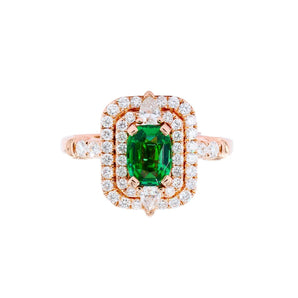
Tourmaline, known as the gemstone-grade elbaite, contains different chemical elements that produce various colors, renowned for its vibrant and colorful hues, making it a favorite among jewelry enthusiasts. Tourmaline is also an energy stone with magnetic and electric fields, which is very helpful for relationships and health.
Learn About Tourmaline
Popular Types of Tourmaline
Indicolite Tourmaline
Indicolite
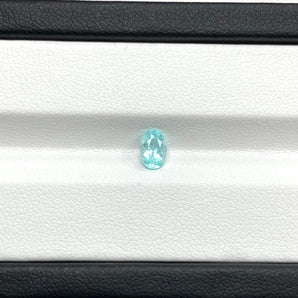
Indicolite refers to all blue tourmalines, including light blue, sea blue, greenish blue, and deep blue; the purer the blue, the higher the value, making it one of the most precious varieties in the tourmaline family.
Bicolor Tourmaline
Bi-colored
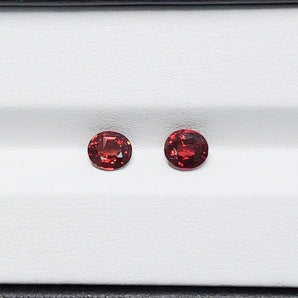
A single tourmaline can have two or more colors, with gradient or contrasting color effects, and those with red and green colors, resembling a watermelon, are referred to as watermelon tourmaline.
Rubellite
Rubellite
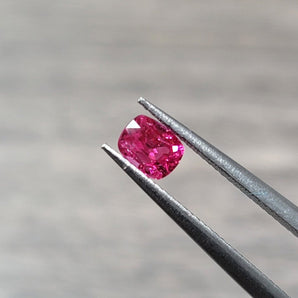
Rubellite, also known as rose tourmaline or red tourmaline, can range in color from light pink to deep red like a ruby, with the most vibrant ruby-like colors being the most precious.
King of Tourmaline
Paraiba Tourmaline
Paraiba
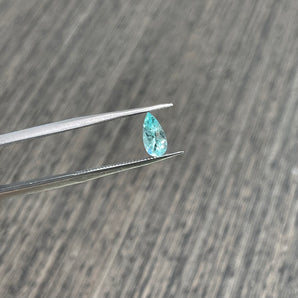
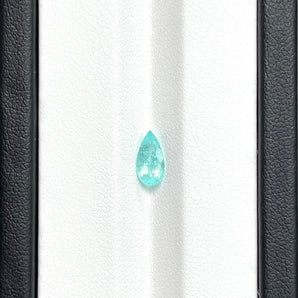
Paraiba is the rarest and most precious type in the tourmaline family; its lake-like blue-green color, due to high levels of "copper" and "manganese," exhibits a neon luster that stands out among other blue tourmalines. The production of Paraiba is extremely limited, and high-quality Paraiba can rival the price of untreated pigeon blood rubies, earning it the title of "King of Tourmaline."