
Paraiba Tourmaline Purchasing Guide | Understanding the Origin, Color, and Certification of the King of Tourmaline
Paraiba tourmaline, known in English as Paraiba Tourmaline, is famous for its unique neon blue-green hues, rare production, and high collectible value. It is one of the most precious varieties in the Tourmaline family and is highly regarded among colored gemstone enthusiasts, collectors, and the high-end jewelry market.

What is Paraiba Tourmaline?
Tourmaline is a large family in the gemstone world, and its name comes from the Sri Lankan word "toramolli." Most tourmalines are classified by color or variety name, such as Rubellite, Indicolite Tourmaline, Green Tourmaline, etc. Among all tourmalines, one of the most representative and valuable varieties is Paraiba Tourmaline.
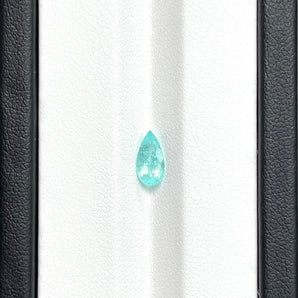
The most charming aspect of Paraiba tourmaline lies in its almost luminous blue, blue-green, or green-blue neon effect. This color is very unique among natural gemstones, which is why Paraiba is often referred to as the "King of Tourmaline."
If you want to gain a more comprehensive understanding of the colors, characteristics, and symbolic meanings of different natural gemstones, you can also browse WILLS JEWELLERY Gemstone Handbook.
Main sources of Paraiba tourmaline: Brazil, Mozambique, and Nigeria
The main sources of Paraiba tourmaline include Brazil, Mozambique, and Nigeria. Among them, Brazil is the most traditional and historically representative source. Due to the scarcity of high-quality Paraiba production and high international market demand, its price has always attracted the attention of collectors and the high-end jewelry market.
Paraiba state in Brazil is one of the most classic traditional sources of Paraiba tourmaline. Photo from Temporada Livre Ltda
| Origin | Characteristics | Market Impression |
|---|---|---|
| Brazil | The most traditional and classic source of Paraiba, with limited production, some gems can exhibit intense neon blue-green colors. | High collectible value and strong market recognition. |
| Mozambique | An important source in recent years, some gems can exhibit bright blue-green colors and better transparency. | Quality varies greatly and should be assessed based on color, certification, and physical texture. |
| Nigeria | There are also sources of copper-bearing tourmaline, with hues ranging from green-blue to blue-green. | Relatively rare, attention should be paid to the certificate description when purchasing. |
Why Does Paraiba Exhibit Neon Blue-Green Color?
The unique dreamlike blue-green color of Paraiba tourmaline is mainly related to its coloring elements. It typically contains elements such as Copper Cu and Manganese Mn. Strictly speaking, tourmaline without copper should not be referred to as Paraiba tourmaline.
Therefore, when purchasing Paraiba, the description on the certificate is very important. A reliable gem identification certificate can help confirm whether the gem belongs to the copper-bearing tourmaline category and also assist in determining its market positioning and collectible value.
The comment or description section in the gem certificate sometimes mentions copper elements and information related to Paraiba Tourmaline. Photo from carat-online
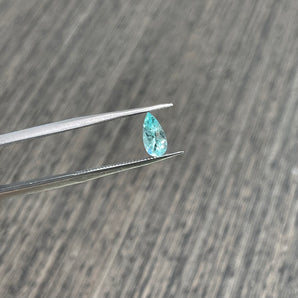
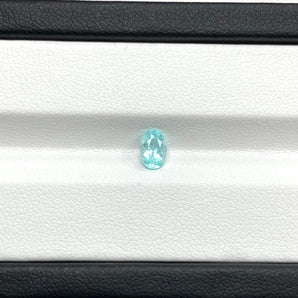
The colors of Paraiba tourmaline can range from sky blue, blue-green, green-blue to lime green. The mainstream market usually prefers bright, vivid, and neon blue or blue-green colors, with Neon Blue being particularly popular.
Paraiba tourmaline can display variations of blue, blue-green, and green colors. Photo from DIAMOND BUZZ
If you like the blue or blue-green tones of Paraiba tourmaline, you can also explore Sapphire, Coloured Diamond, and Opal to compare the characteristics of different colored gemstones in terms of color, rarity, and jewelry design.
How to Determine the Value of Paraiba Tourmaline?
The value of Paraiba tourmaline is not solely based on weight, but is influenced by factors such as color, neon effect, origin, clarity, cut, size, and certification. Among these, color and neon effect are usually the most intuitive and significantly impact market perception.
1. Color and Neon Effect
Bright, vibrant, and intensely neon blue or blue-green colors are usually more popular in the market. Darker, grayish, or insufficiently saturated gems may not necessarily be more valuable, even if they are larger in weight.
2. Clarity and Inclusions
Due to the rarity of Paraiba, and many rough stones themselves carry natural inclusions, completely clean high-quality Paraiba is not common in the market. However, when purchasing, one should still avoid obvious black inclusions, severe cracks, or flaws that may affect durability.
3. Cut and Brightness
A good cut can enhance the brightness, color concentration, and overall fire of the gemstone. Sometimes, a slightly smaller but excellently cut Paraiba with more vivid colors can be more attractive than a larger stone with dull hues.
4. Carat Weight
High-quality Paraiba with larger carat weights is rarer, and price increases may also be more significant. However, for jewelry design, suitable proportions and wearing effects are equally important.
Why is it important to check the certificate when buying Paraiba?
Paraiba tourmaline belongs to high-value colored gemstones, and it is recommended to prioritize stones with reliable gem certification when purchasing. Certificates can help confirm the identity of the stone, whether it is a copper-bearing tourmaline, and related origin or treatment information.
For high-value gemstones, certificates are not the only assessment standard, but they are important information to ensure purchasing confidence. The actual color, brightness, clarity, cut, and wearing effect still need to be compared with the assistance of a professional consultant.
If you want to learn about other gemstone value assessment methods, you can also refer to Diamond 4C Knowledge to understand common concepts of color, clarity, cut, and weight in gemstone purchasing.
Paraiba Tourmaline Purchase Checklist
- Color: Prioritize whether there is a vivid neon effect; blue or blue-green is usually more popular.
- Certificate: It is recommended to choose Paraiba with a reliable gem certification, and pay attention to whether it mentions copper elements or Paraiba Tourmaline.
- Clarity: Natural inclusions are common, but obvious black inclusions or cracks that affect durability should be avoided.
- Cut: A good cut can enhance brightness, color concentration, and neon effect.
- Size: The larger the high-quality Paraiba carat weight, the rarer it is, but proportion and wearing effect are equally important.
- Usage: Rings need to consider daily collisions and protective designs; pendants and earrings can better highlight the color.
- Budget: Paraiba prices vary widely, so it is recommended to confirm your budget first, then filter by color and design direction.
Want to inquire about in-stock or custom jewelry for Paraiba tourmaline?
WILLS JEWELLERY can introduce you to natural Paraiba tourmaline jewelry, loose Paraiba stones, and personalized customization options for rings, pendants, earrings, and more. If you are unsure about how to choose color, certificate, or style, feel free to consult a jewelry advisor first.
Frequently Asked Questions about Paraiba Tourmaline
Why is Paraiba tourmaline so precious?
Paraiba tourmaline exhibits a unique neon blue-green color due to its copper content, and with the rarity of high-quality stones, it holds significant value in the collection and high-end jewelry market.
Does Paraiba have to come from Brazil?
The earliest and most classic source of Paraiba is Brazil, but Mozambique and Nigeria also produce copper-bearing tourmaline. The market determines whether a stone belongs to Paraiba Tourmaline based on its chemical composition, color, and certificate description.
Does Paraiba tourmaline need to have a certificate?
It is recommended to choose stones with a reliable gem certificate when purchasing Paraiba tourmaline, especially to check if the certificate mentions copper elements or Paraiba Tourmaline-related descriptions.
Is it better if the Paraiba is bluer?
The mainstream market generally prefers bright neon blue or blue-green, but the most important factors are whether the color is vivid, even, lively, and whether it meets the wearer's preferences.
Is Paraiba tourmaline suitable for rings?
Paraiba tourmaline can be used in ring designs, but rings are more prone to daily collisions, so considerations for protective settings, stone size, and wearing habits should be taken into account. If you want to display the color more safely, pendants and earrings are also common choices.
Let WILLS JEWELLERY help you choose the right Paraiba
Each Paraiba tourmaline has a different color, neon effect, clarity, and certificate description. Feel free to compare in-stock, loose stones, and customization options with a jewelry consultant via WhatsApp or by making an appointment to visit the store.
Subscribe to the WILLS JEWELLERY newsletter for more expert jewelry knowledge!